
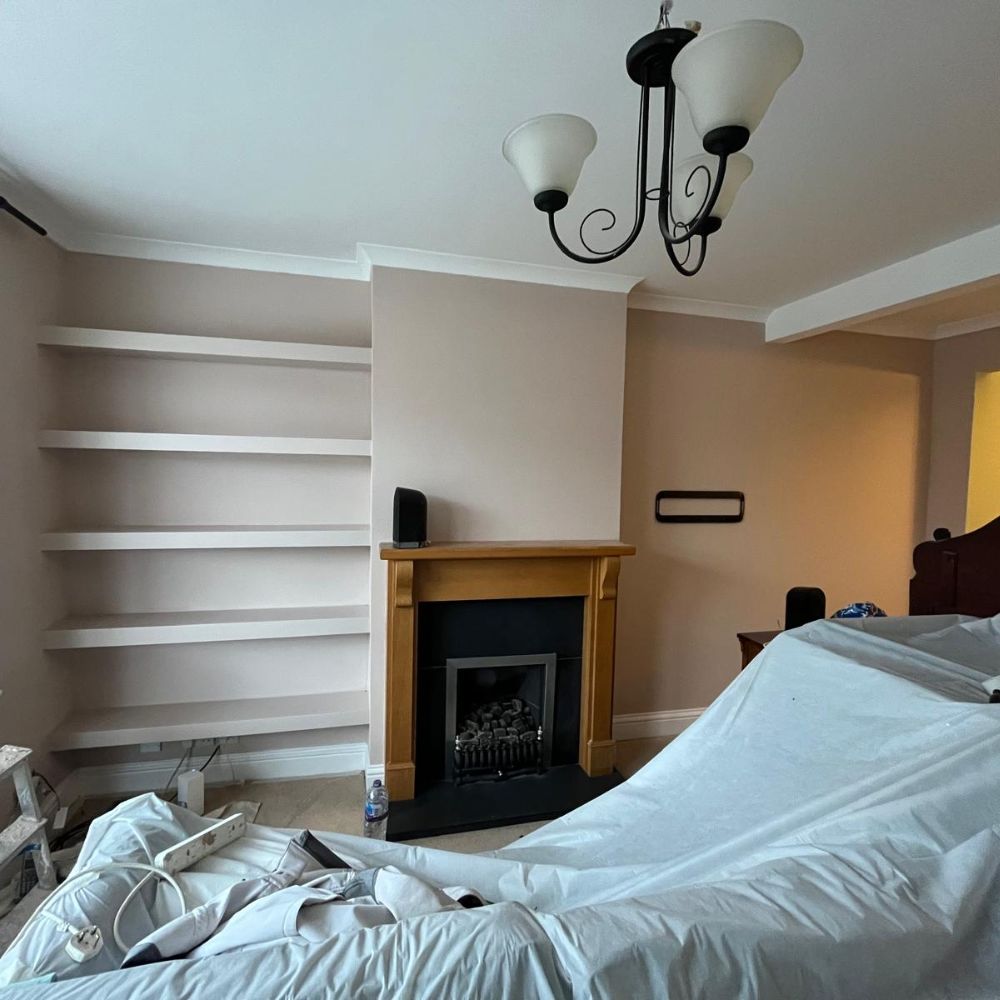
How to Prepare Your Home for a Painting and Decorating Job
Hiring a professional painter and decorator is one of the best ways to transform your home quickly and to a standard that is difficult to achieve yourself. But the quality of the finished result depends on more than just the skill of the decorator. How well the home is prepared before work begins makes a significant difference to how smoothly the job runs, how long it takes, and how good the final finish looks.
The good news is that most of the preparation a homeowner needs to do is straightforward. This guide walks you through everything you should do before your painter and decorator arrives, what the decorator will handle themselves, and a few common mistakes that are worth avoiding.
Why Preparation Matters
Professional painters and decorators carry out thorough surface preparation as part of every job. This includes filling cracks, sanding surfaces, applying primer where needed and protecting floors and fittings with dust sheets and masking tape. However, there is a separate layer of preparation that falls to the homeowner, and getting this right makes life easier for everyone involved.
A room that is cleared, accessible and ready to work in allows the decorator to start immediately and work without interruption. A room that still has furniture stacked against the walls, pictures hanging in place and curtains on the rails takes time to prepare before any actual painting can begin, and that time is often reflected in the final cost or the overall timeline of the job.
Step 1: Clear the Room as Much as Possible
The single most helpful thing you can do before a decorator arrives is to clear the room of as much furniture and belongings as possible. Ideally, the room should be completely empty. Furniture that remains in the room needs to be moved to the centre and covered with dust sheets, which takes time and still limits the decorator’s access to the walls.
If you cannot fully empty a room, focus on removing smaller items, ornaments, table lamps, books and anything fragile or valuable. Larger pieces of furniture such as sofas and wardrobes can be moved to the centre of the room and covered, but the more you can remove entirely, the better.
For hall, stairs and landing projects, clear the area of shoes, coats, side tables and anything else that takes up floor space. Hallways are already narrow working environments, and clutter makes them significantly harder to work in.
Step 2: Remove Wall Hangings, Mirrors and Fixtures
Take down all pictures, mirrors, clocks and wall hangings before the decorator arrives. Leave nothing on the walls. The decorator will need to fill any holes left by fixings and sand them smooth before painting, and having items still in place when they arrive slows this process down.
Remove curtain poles and blinds if possible. If curtain poles are fixed directly to the wall above a window, taking them down gives the decorator clean access to the wall behind and above the window without having to work around them. If removal is not practical, let the decorator know in advance so they can plan around it.
Switch plates and socket covers can be left in place. A good decorator will mask around them or remove them temporarily as part of the job.
Step 3: Take Up Rugs and Protect Flooring
If you have rugs or mats on the floor, roll them up and move them out of the room before work begins. Rugs collect dust and debris during decorating work and can be difficult to clean afterwards.
Hard floors, carpets and fitted flooring will be protected by the decorator using dust sheets, but it is worth removing any particularly valuable or delicate rugs yourself rather than relying on dust sheet coverage alone. Decorator’s dust sheets are designed to catch splashes and dust, but they are not completely impervious, particularly if paint is dropped from height during ceiling work.
Step 4: Let the Decorator Know About Any Known Issues
Before work starts, walk through the rooms with your decorator and point out anything you are aware of that might affect the job. This includes damp patches, cracks that have appeared recently, areas where previous paint has not held well, wallpaper that has started to lift, or any surfaces that have been repaired recently.
A professional painter and decorator will identify most issues during their own inspection, but telling them what you already know saves time and ensures nothing is missed. It also gives the decorator the opportunity to order any additional materials or adjust their approach before they start rather than discovering problems partway through the job.
Step 5: Sort Out Access and Parking
For larger jobs involving external painting, scaffolding, or the use of a van loaded with materials and equipment, make sure there is clear vehicle access and somewhere for the decorator to park close to the property. This is particularly relevant for properties in Epsom, Surrey and South West London where on-street parking can be restricted.
For interior jobs, make sure the decorator has clear access to the front door from the start of the working day. If you will not be at home, arrange a key handover in advance and confirm the arrangements clearly so there is no confusion on the first morning.
Step 6: Protect or Relocate Pets
Paint fumes, open doors, ladders, equipment and the general disruption of a decorating job can be stressful for pets and potentially dangerous. Dogs and cats that are free to roam the house during a decorating job can walk through paint trays, disturb wet surfaces, and create a safety hazard for the decorator working on ladders.
If possible, arrange for pets to be kept in a separate room that is not being decorated, or arrange for them to stay elsewhere during the working days. Let your decorator know if you have pets so they can be mindful of open doors and external access points during the job.
Step 7: Think About Ventilation
Good ventilation speeds up drying times and reduces the build-up of paint fumes during and after the job. Before work begins, check that windows in the rooms being decorated can be opened easily. If window hinges or latches are stiff, sort them out in advance.
Water-based paints, which are now used for most interior decoration work, have relatively low fume levels compared to older solvent-based products. However, ventilation is still important, particularly in smaller rooms and when glosswork or oil-based products are being used on woodwork.
What the Decorator Will Handle
A professional painter and decorator will take care of all the following as part of the job itself, so you do not need to worry about these:
- Dust sheeting floors, furniture and fittings
- Filling cracks, holes and surface imperfections
- Sanding and preparing surfaces before painting
- Masking around skirting boards, windows and door frames
- Applying primer or mist coats where needed
- Cleaning up at the end of each working day and on completion
The decorator’s job is to arrive, prepare the surfaces properly and deliver a high-quality finish. Your job is to make sure the space is as clear and accessible as possible so they can do exactly that without delay.
Common Mistakes to Avoid
Leaving walls dirty or greasy. Kitchen walls in particular can carry a layer of grease that prevents paint from adhering properly. Wipe down walls with a mild sugar soap solution before the decorator arrives if you know they are particularly dirty or greasy.
Buying paint before agreeing it with the decorator. If you plan to supply your own paint, confirm the product, finish and quantity with the decorator before purchasing. The wrong sheen level, insufficient quantities, or a paint that is not suitable for the surface type can cause problems once the job is underway.
Assuming the decorator will move heavy furniture alone. Decorators work alone or in small teams and moving large, heavy pieces of furniture is outside the scope of a standard decorating job. If you have heavy items that need moving, arrange for additional help before the job starts.
Not discussing the order of rooms in advance. For multi-room jobs, agree with the decorator in advance which rooms will be done first and in what order. This allows you to plan where you will keep furniture and how you will live in the house during the project.
Getting Ready for Your Decorating Job in Surrey and London
If you are planning a painting and decorating project in Epsom, Surrey or South West London and would like a free quote from a professional, experienced team, YD Decorating Services is here to help. We carry out interior and exterior painting and decorating, plastering, skim plastering and wallpapering for residential and commercial properties across Surrey and South West London.
Call us on 0742 41 83 510, email info@yddecorating.co.uk or complete our online enquiry form to request a free, no-obligation quote. We are happy to advise on preparation, paint choices and timescales before the job begins.
Frequently Asked Questions
1. Do I need to empty the room completely before the decorator arrives?
Ideally yes, but it is not always practical. The more you can clear from the room before the decorator arrives, the faster they can start and the better access they will have to every part of the walls and ceiling. If you cannot fully empty the room, move as much as possible out and push remaining larger items to the centre of the room. Your decorator will cover them with dust sheets, but having the room as clear as possible is always better. For small or awkward spaces like hallways, clearing the area entirely makes a significant difference to how efficiently the work can be done.
2. Should I wash my walls before the decorator arrives?
For most rooms, this is not necessary as surface preparation is part of the decorator’s job. However, kitchen walls that have accumulated grease over time, or walls with heavy soiling, are worth wiping down with a sugar soap solution before work begins. Grease on walls can prevent paint from adhering properly, and while a good decorator will identify and address this, letting them know in advance or cleaning the walls yourself means the job can start immediately without delays.
3. Do I need to fill cracks before the decorator arrives?
No. Filling and preparing surfaces is part of what a professional painter and decorator does as standard on every job. Do not attempt to fill cracks yourself before the decorator arrives unless you have prior experience, as poorly applied filler can sometimes create more work than the original crack. Simply point out any cracks, holes or damaged areas during your initial walkthrough with the decorator so they can assess them and include the appropriate preparation in their approach.
4. Can I choose my own paint or should the decorator supply it?
You can do either. Many clients prefer to choose their own colours and purchase the paint themselves, particularly when using specific brands such as Farrow and Ball, Little Greene or Dulux. If you plan to supply your own paint, discuss the product range, finish and quantities with your decorator before buying to make sure you have the right products for each surface. Decorators can also supply and source paint directly, which is often convenient and ensures the right materials are used from the start.
5. Do I need to remove curtain poles and blinds before the decorator arrives?
Removing curtain poles and blinds before the decorator arrives is helpful and will give them clean access to the walls around and above windows. If poles are difficult to remove or fixed in a way that risks damaging the wall, leave them and let the decorator know so they can plan around them. Blinds that can be rolled up or folded away should be secured out of the way before work begins. Curtains and fabric blinds should be removed completely and stored elsewhere during the job to keep them free of paint dust and fumes.
6. How long will the decorating job take and should I stay at home?
The duration depends on the size of the job and the number of rooms being decorated. A single room typically takes one to two days, while a full house redecoration may take one to two weeks. You do not need to stay at home during the work, and many clients find it easier to carry on with their normal routine and leave the decorator to get on with the job. If you will not be at home, arrange key access in advance and make sure the decorator has your contact number in case any questions come up during the day.
7. What should I do about my pets during a decorating job?
Keep pets away from rooms being decorated throughout the job. Wet paint, open paint trays, ladders and equipment all present potential hazards to animals, and pets walking across freshly painted surfaces can ruin a finish that has taken hours to achieve. If your pet cannot easily be confined to a separate room, arrange for them to stay elsewhere during the working days. Let your decorator know you have pets so they can be mindful of doors and access points while working.
8. Do I need to be at home to let the decorator in every morning?
For the first day you will need to let the decorator in and walk through the job together to confirm the plan. For subsequent days on a longer job, many homeowners arrange a key with the decorator so they can start at an agreed time without the homeowner needing to be present. This is a common and practical arrangement for working households. Make sure you discuss access arrangements clearly before the job begins so there is no confusion about start times or entry on any day of the project.
9. What happens if the decorator finds problems once the job has started?
A professional decorator will let you know straight away if they uncover something unexpected once work is underway. This could include crumbling plaster beneath old wallpaper, damp that was not visible before stripping, or significant surface damage that requires additional preparation. In these cases, the decorator will explain what they have found, what needs to be done about it, and what effect it has on the timeline and cost. Any additional work should be agreed and confirmed clearly before it is carried out.
10. How do I find a reliable painter and decorator in Epsom or Surrey?
Look for a painter and decorator with strong verified reviews from local clients, a clear and professional approach to quoting, and a willingness to visit the property before providing a price. Word of mouth recommendations from neighbours and friends in the local area are particularly valuable in Surrey towns like Epsom, Ashtead, Banstead and Sutton where local tradespeople build their reputation over many years. YD Decorating Services is based in Epsom and covers the wider Surrey and South West London area. We offer free no-obligation quotes, carry all our own insurance, and are consistently rated five stars by our clients on Google. Call us on 0742 41 83 510 to arrange a visit.