
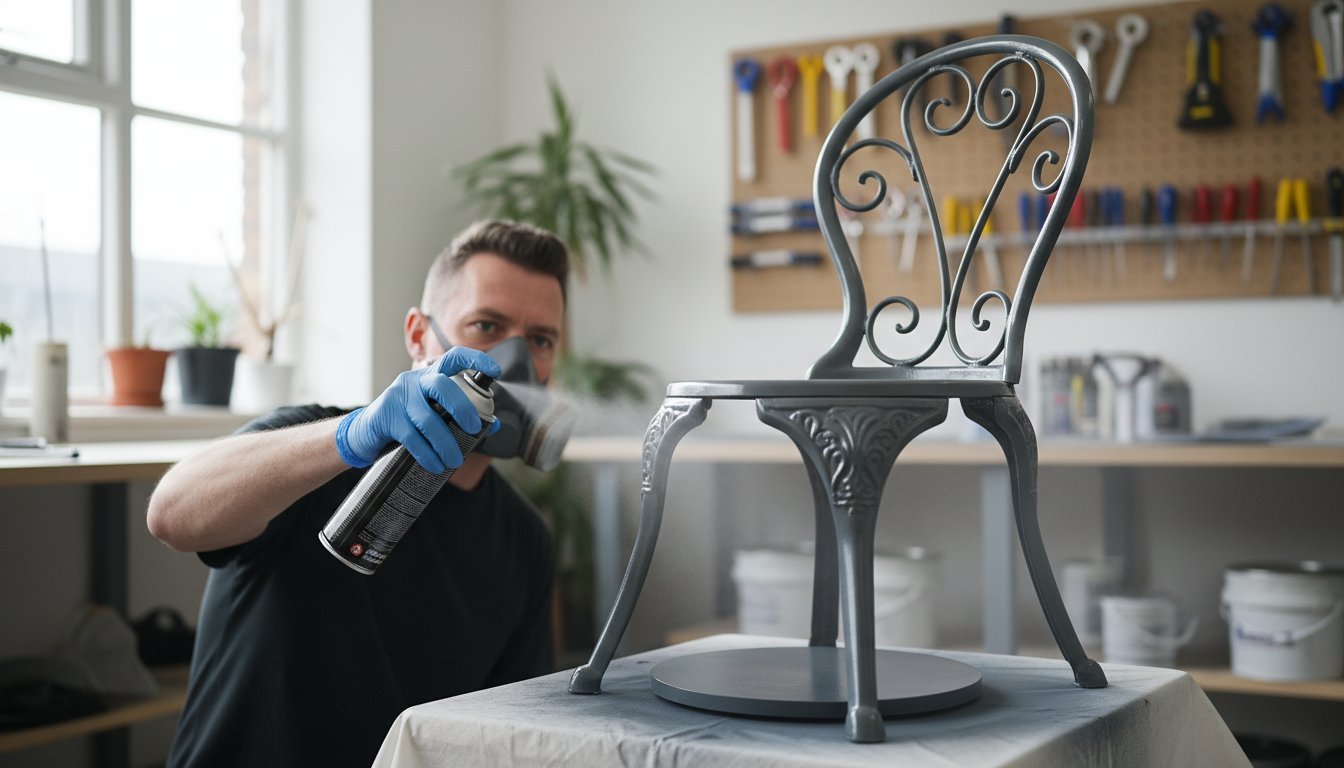
How to Spray Paint Metal for a Flawless, Professional Finish
Have you ever spent an afternoon carefully reviving a metal gate or piece of garden furniture, only to be met with frustrating drips, an uneven texture, or paint that peels away just weeks later? It’s a common challenge that can make the task of painting metal with spray paint seem more trouble than it’s worth. That disappointing result often comes down to small, overlooked steps in the process, but achieving a truly professional quality is well within your reach.
In this comprehensive guide, we share our trusted techniques, honed over 15 years in the decorating industry. You will learn the meticulous prep work required to handle rust and create the perfect surface, how to select the correct primer and paint for maximum durability, and the skilled application methods for achieving that coveted factory-smooth look. Prepare to transform your metal items with a flawless finish that not only looks impeccable but also provides lasting protection for years to come.
The Foundation: Choosing the Right Paint and Supplies
Achieving a professional, lasting result when painting metal with spray paint is determined long before you press the nozzle. The quality of your finish depends entirely on the initial selection of high-calibre materials. Investing in the right paint, primer, and preparation tools is the first and most critical step towards achieving an impeccable, durable coating that looks fantastic and stands the test of time, whether for an indoor decorative piece or an outdoor garden gate.
Selecting the Best Spray Paint for Metal
The aerosol can you choose is your most critical tool. A foundational step in the process is understanding spray paint formulations and their intended uses. For most projects, a durable enamel paint offers a hard, lasting finish. For high-impact items or appliances, two-part epoxy sprays provide maximum chemical and abrasion resistance. While all-in-one ‘Paint + Primer’ products can be convenient for clean, previously painted surfaces, they are not a substitute for a dedicated primer on bare or challenging metal. Always consider the project’s specific needs—use high-heat paint for radiators or rust-preventative formulas for outdoor furniture. Your choice of finish will define the final look:
- Gloss: High shine, very durable, and easy to clean.
- Satin: A subtle sheen that hides minor imperfections better than gloss.
- Matte: A modern, non-reflective finish that provides a sophisticated look.
Understanding Metal Primers
For a truly professional job, primer is non-negotiable. It ensures proper paint adhesion and dramatically improves the longevity of your work. On bare or rusty metal, it is absolutely essential. Choose a primer based on the metal type and condition:
- Etching Primer: Chemically bites into non-ferrous metals like aluminium or galvanised steel, creating a surface the topcoat can grip.
- Rust-Inhibiting Primer: The standard choice for ferrous metals like iron and steel, it seals the surface to prevent future corrosion.
- Filler Primer: A thicker formula designed to fill minor scratches and surface pitting, creating a perfectly smooth base for a flawless topcoat.
Essential Preparation and Safety Gear
A professional approach demands the right equipment for both safety and quality. Before you begin any work, gather the following essential supplies to ensure the process is smooth, safe, and effective:
- Safety First: A respirator mask (specifically for paint fumes), safety glasses, and chemical-resistant gloves.
- Cleaning Supplies: A quality degreaser or mineral spirits, lint-free rags, and tack cloths to remove all dust before painting.
- Sanding Tools: A wire brush for heavy rust, and sandpaper in various grits (e.g., 120, 220, 400) or sanding blocks.
- Masking Materials: High-quality painter’s tape for crisp lines and drop cloths or plastic sheeting to protect the surrounding area.
Step 1: Preparing the Metal Surface Like a Professional
In our 15 years of professional decorating, we’ve learned one undeniable truth: the most critical stage of painting metal with spray paint is the preparation. A flawless, lasting finish doesn’t come from the can; it’s earned through meticulous prep work. This is the foundation upon which a durable and beautiful result is built. Skipping these steps is the number one cause of paint failure, leading to peeling, bubbling, and rust returning in short order.
Thorough Cleaning and Degreasing
Before you even think about sanding, the metal must be immaculately clean. Start with a strong degreasing agent and a clean cloth to remove all traces of oil, grease, wax, and grime. Even invisible residues from handling can create a barrier that prevents paint from adhering properly. Once cleaned, rinse the surface thoroughly with fresh water and allow it to dry completely. Trapped moisture is an enemy to a perfect paint job.
Removing Rust and Flaking Paint
Your new paint is only as stable as the surface it’s applied to. For previously painted or rusty metal, you must remove anything loose or unstable. Use a stiff wire brush or scraper to aggressively remove all flaking paint and surface rust. For more significant corrosion, a chemical rust remover or a rust converter may be a more effective, professional solution. The goal is to get back to a solid, stable base. Once complete, wipe away every speck of dust and debris with a tack cloth.
Sanding for a Perfectly Smooth and Adhesive Surface
Sanding serves two essential purposes: it smooths out imperfections and, more importantly, it creates a microscopic texture, or ‘key’, for the primer to grip onto. For rough or previously painted surfaces, start with a coarser grit sandpaper (80-120) to level the surface. Follow up with a finer grit (220-320) to achieve an ultra-smooth base. This two-step sanding process is a fundamental part of any professional how to paint metal guide. For new, shiny metal, a light ‘scuff’ sand is all that’s needed to remove the factory sheen and ensure a strong bond.
Step 2: Applying Primer for Maximum Adhesion and Durability
After meticulous preparation, the priming stage is where you build the foundation for a lasting, professional finish. Think of primer as the essential bridge between the bare metal and your final colour coat. This critical step is non-negotiable when painting metal with spray paint, as it seals the surface, provides a uniform base for true colour representation, and most importantly, prevents the formation and spread of rust. A quality primer ensures your paint adheres properly, delivering an impeccable and durable result that stands the test of time.
Setting Up Your Workspace for Success
A controlled environment is key to a flawless application. Before you begin, take a moment to prepare your area to protect both yourself and your surroundings. A methodical setup prevents mishaps and ensures the best possible outcome for your project.
- Ventilation is vital: Always work in a well-ventilated space. An open garage with the door up or an outdoor area on a calm day is ideal to disperse fumes safely.
- Protect your surroundings: Lay down dust sheets or large pieces of cardboard to protect the floor and nearby objects from inevitable overspray.
- Check the conditions: Most spray primers perform best in low humidity and within a specific temperature range (typically 10-30°C). Check the can for the manufacturer’s specific recommendations to avoid issues like cracking or slow drying.
How to Apply Primer Evenly
Achieving a smooth, even coat of primer is a matter of technique. Rushing this stage can lead to drips, runs, and an uneven surface that will show through your final paint job. For a comprehensive overview of the entire process, this detailed guide on how to spray paint metal offers excellent visual aids and further instruction. For now, follow these proven steps for a perfect prime coat: shake the can vigorously for at least one minute after you hear the ball rattling inside. Hold the can approximately 8-12 inches from the metal surface and apply a light first coat using a steady, sweeping motion. Overlap each pass slightly to ensure full coverage without heavy build-up. Allow this to dry completely according to the product instructions before deciding if a second light coat is necessary.
Preparing the Primed Surface for Paint
Once the primer is fully cured, one final preparation step will elevate your project from good to exceptional. Lightly sand the entire primed surface with a fine-grit sandpaper, such as 400-grit. This quick process, known as ‘keying’ the surface, smooths out any minor imperfections or dusty textures from the spray and creates a perfect, micro-abraded surface for the topcoat to grip onto. After sanding, it is crucial to wipe away every trace of dust with a clean, dry microfibre cloth or a tack cloth to ensure nothing compromises the final, flawless finish.
Step 3: Mastering the Spray Painting Technique for a Smooth Coat
With your metal surface perfectly prepped, the next stage is all about technique. When it comes to painting metal with spray paint, patience and a steady hand are what separate a flawless finish from a messy, uneven one. Rushing the job is the fastest way to create drips, runs, and blotches. By following a proven, methodical approach, you can achieve a smooth, durable, and professional-looking coat.
The Perfect Spraying Motion
The key to an even application is consistent movement. A common mistake is pivoting your wrist, which causes the paint to apply unevenly. Instead, keep your wrist locked and move your entire arm in a smooth, sweeping motion. For best results:
- Maintain Distance: Hold the can approximately 6-10 inches (15-25cm) from the metal surface at all times.
- Sweep Smoothly: Begin spraying just before the edge of the object and continue spraying until you are just past the opposite edge.
- Overlap Passes: Overlap each sweeping pass by about 50% to ensure seamless coverage without visible lines.
Applying Multiple Thin Coats (The Pro Secret)
Resist the temptation to apply one thick, heavy coat. This almost always leads to unsightly drips and dramatically increases drying time. The professional secret is to build up the colour gradually. Start with a very light “tack coat” and let it become tacky, which usually takes 5-10 minutes. Follow this with two or three more light coats, allowing a similar drying time between each. This skilled technique creates a stronger, more even, and impeccable finish.
Dealing with Complex Shapes and Angles
Painting intricate items like metal garden chairs or detailed railings requires a strategic plan. Always tackle the difficult-to-reach areas, joints, and edges first. Change your spraying angle as you move around the object to ensure you coat every surface without causing heavy buildup in any single spot. For particularly complex or valuable items, achieving a truly flawless finish is best left to the pros. Contact YD Decorating Services for a quote.
Step 4: Curing, Clear Coats, and Common Mistakes to Avoid
Your metal piece is now coated, but the project isn’t over. This final stage is what separates a good finish from a great one. Patience and a meticulous approach are essential to ensure your hard work results in a durable, long-lasting, and professional-quality finish that looks impeccable for years to come.
Drying vs. Curing: Why Patience is Key
It is easy to confuse ‘dry to the touch’ with fully ‘cured’. While your painted metal may feel dry within an hour, the paint underneath is still soft. Curing is the chemical process where the paint hardens to its maximum strength and durability, a process that can take several days. Always consult the manufacturer’s instructions on the can for both recoat windows and the full cure time. Handling or using the item too soon is the quickest way to ruin a perfect finish with smudges and fingerprints.
When to Use a Protective Clear Coat
For high-touch items or pieces exposed to the British weather, a protective clear coat is a non-negotiable step for lasting quality. We highly recommend it for projects like garden furniture, gates, or metal railings. It provides a vital extra layer of defence against scratches, moisture, and UV fading. Be sure to match the clear coat’s finish (e.g., matte, satin, or gloss) to your colour coat and apply it using the same thin, even layers for a consistent result.
Troubleshooting: Fixing Drips, Runs, and ‘Orange Peel’
Even with careful technique, imperfections can occur. Here is how to professionally address the most common issues encountered when painting metal with spray paint:
- Drips and Runs: The key is not to panic and wipe them while wet. Let the paint cure completely. Once fully hardened, carefully sand the drip smooth with fine-grit sandpaper (400-grit or higher) and then apply a very light, targeted recoat to blend the area seamlessly.
- ‘Orange Peel’ Texture: This bumpy, uneven surface is often caused by spraying in high temperatures or holding the can too far away. To fix it, allow the paint to cure, then wet-sand the area with an ultra-fine grit paper (1200-grit or higher) until smooth. After cleaning away all residue, apply one final, perfect coat.
While these tips can help you achieve a great outcome, achieving a truly flawless, factory-smooth finish requires proven techniques and professional experience. For a guaranteed impeccable result without the risk, trust the experts. To discuss your project, contact YD Decorating Services for skilled and reliable painting solutions.
Achieve Your Flawless Finish
As you can see, achieving a professional-grade result when painting metal with spray paint is all about patience and process. The secret to that durable, glass-smooth finish lies in meticulous preparation, a quality primer, and the application of thin, even coats. By following these steps and avoiding common pitfalls, you have the power to transform tired metal surfaces into stunning, revitalised features with complete confidence.
However, for larger projects or when you require a guaranteed flawless finish, the expertise of a professional is invaluable. At YD Decorating Services, our family-run business brings over 15 years of industry experience and a commitment to quality to every job. As your trusted local decorating experts, we pride ourselves on delivering an impeccable and lasting result, every single time.
Ready to ensure your project is completed to the highest possible standard? Request a professional decorating quote from YD Decorating Services.
Frequently Asked Questions About Painting Metal
Can I spray paint directly over rusty metal without preparation?
We strongly advise against this. Painting directly over rust will trap moisture and allow the corrosion to continue, leading to the new paint flaking and peeling away. For a professional, long-lasting result, all loose rust must be removed with a wire brush or sandpaper first. Applying a quality rust-inhibiting metal primer after cleaning is a crucial step to ensure a flawless and durable finish that protects the metal for years to come.
How long does spray paint take to fully dry and cure on a metal surface?
While spray paint may feel touch-dry within an hour, it is not yet fully hardened. The curing process, where the paint achieves its maximum durability and chemical resistance, takes much longer. Depending on the type of paint, temperature, and humidity, full curing can take anywhere from 24 hours to seven days. Always consult the manufacturer’s instructions on the can for the most accurate timeframes to avoid damaging the fresh finish.
Is it better to use a brush-on paint or spray paint for metal?
The best method depends entirely on your project. Spray paint is excellent for achieving a smooth, even coating on items with complex shapes, such as gates or outdoor furniture, as it leaves no brush marks. For smaller, detailed areas or projects where overspray is a concern, a high-quality brush-on metal paint provides superior control. Both can yield impeccable results when the surface is prepared correctly and the right technique is used.
What is the best temperature and humidity for spray painting outdoors?
For optimal results in the UK, aim for a calm, dry day with low humidity (ideally below 65-70%). The ideal temperature range is between 10°C and 25°C. Painting in conditions that are too cold, too humid, or in direct, hot sunlight can negatively affect how the paint dries and adheres. This can result in issues like bubbling, cracking, or a cloudy finish, compromising the quality of your work.
Do I need a special primer for galvanised steel or aluminium?
Yes, using the correct primer is essential for these non-ferrous metals. Standard primers will not bond effectively to the slick surfaces of galvanised steel or aluminium, causing the paint to peel off easily. You must use a specialised self-etching primer or a dedicated primer for galvanised surfaces. This product creates a microscopic texture on the metal, providing a strong foundation for the topcoat to adhere to, ensuring a lasting finish.
How can I prevent the nozzle from clogging while I’m painting?
A clogged nozzle can easily ruin a smooth application. To prevent this, always shake the can vigorously for at least one minute before you begin. After you finish a session of painting metal with spray paint, turn the can upside down and spray for a few seconds until only clear gas is released. This simple but vital step clears the nozzle and valve of any paint residue, keeping it clean and ready for your next use.