
Exterior House Painting in Epsom
Exterior house painting in Epsom that protects your property and improves kerb appeal. Render, masonry, timber, fascias, soffits and doors, prepared properly and finished in weather-resistant coatings.
Exterior painting that lasts
Sun, rain and frost wear down exterior paintwork, leaving surfaces tired and walls open to damp. Properly applied exterior paint forms a barrier against moisture and extends the life of your render, timber and metalwork.
Preparation is everything. We clean the surfaces, remove loose and flaking material, repair cracks and apply the right primer. Skipping these steps is the most common reason exterior paint fails early.
- Exterior-grade, weather-resistant products
- Thorough cleaning, repairs and priming
- Access and scaffolding arranged for you
What our exterior painting covers
Terraced, semi-detached and detached homes, bungalows and period properties.
Masonry and render
Including pebbledash, with cracks and loose areas repaired first.
Fascias and soffits
Plus bargeboards and other exterior woodwork.
Windows and doors
Front doors, garage doors and timber window frames.
Gutters and downpipes
Where paintwork is required.
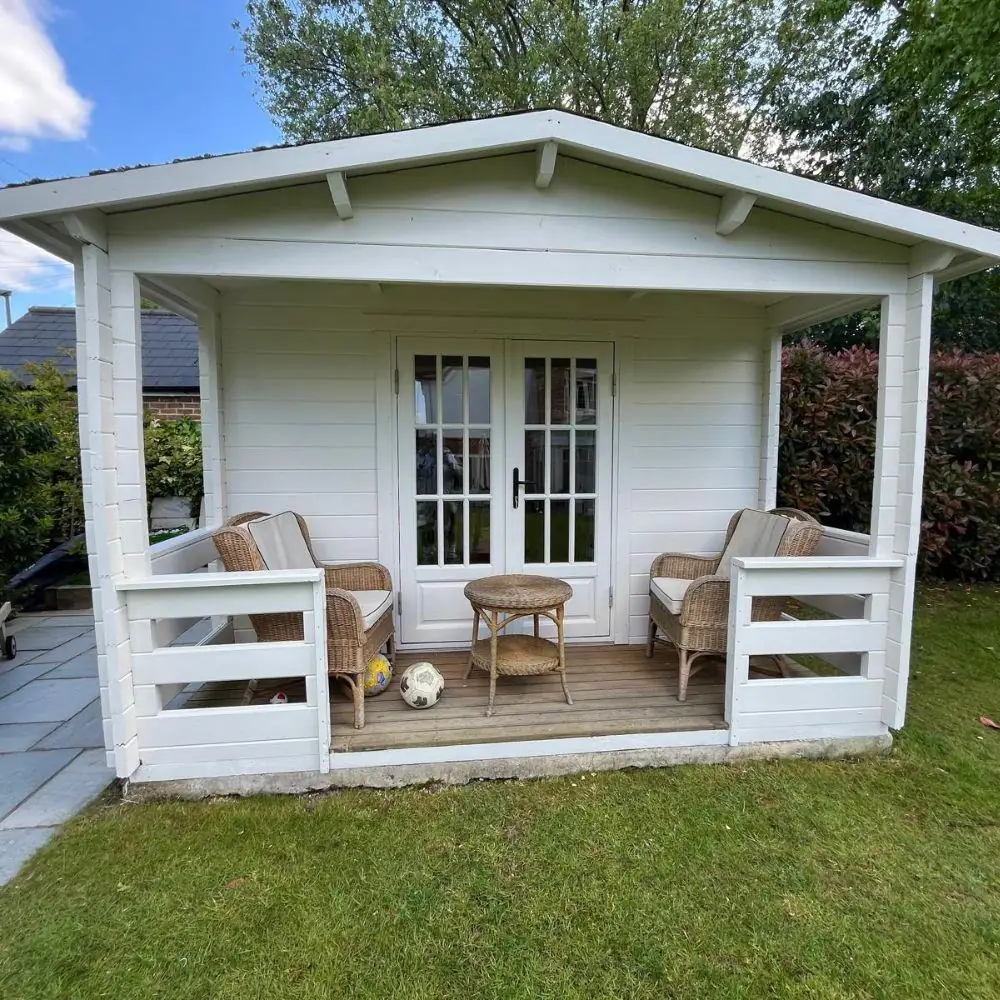
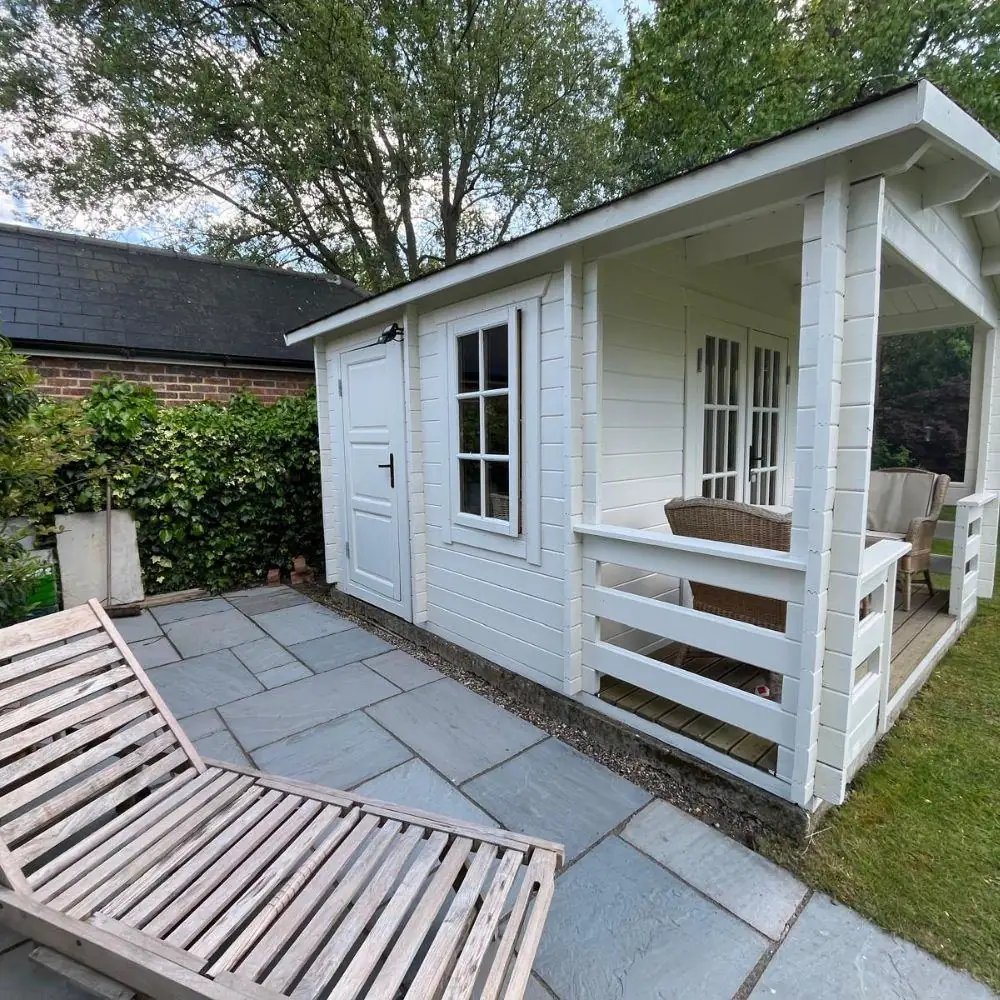
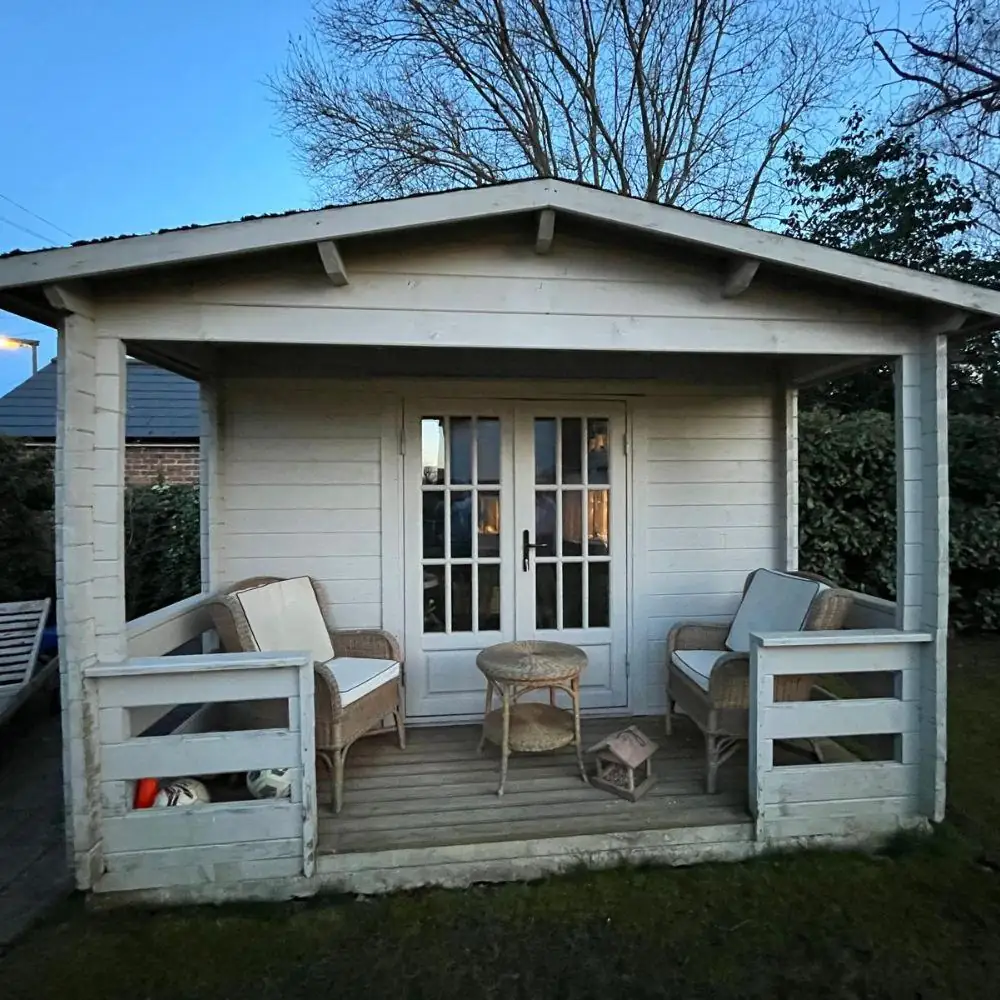
Garden buildings
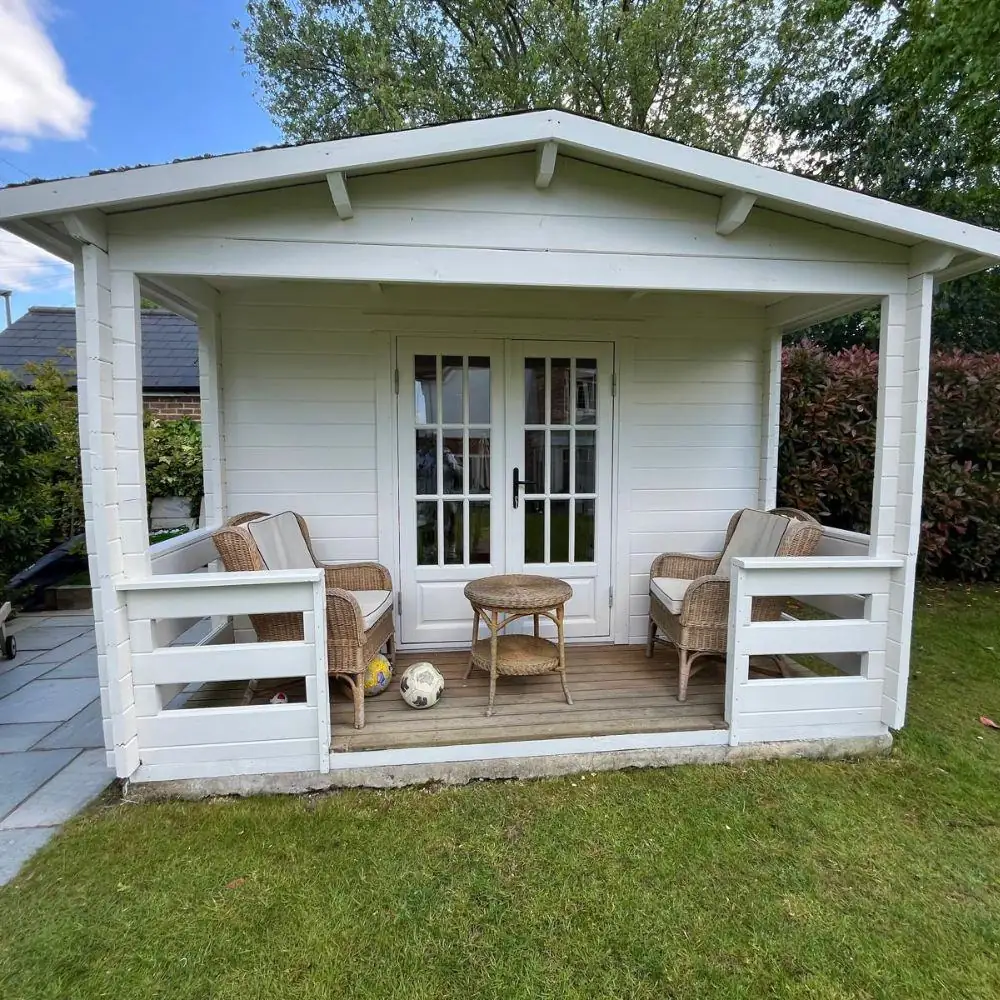
Summer houses, sheds, fences and garden furniture.
Walls and gates
Garden walls, boundary walls and gates.
Four steps, in this order, every time
We never subcontract. When you hire us, you deal directly with the craftsman doing the job.
Assess & protect
Surfaces inspected, access arranged and surrounding areas protected.
Clean & prep
Loose or flaking material removed, cracks repaired, surfaces cleaned back.
Prime
The correct primer applied so the topcoat bonds and lasts.
Paint & finish
Weather-resistant topcoats, sharp lines and a clean handover.
A few recent finishes
"Daniel did an excellent job on repairing and preparing a badly damaged ceiling and previously damp wall. He went on to paint the whole room to a very good standard. He arrived on time, worked hard all day and was considerate and respectful in my home."
"Daniel has done a fantastic job plastering and decorating 4 rooms in our house. His work is of a very high standard. He is one of the tidiest tradespeople we have ever had working in our house."
"Daniel was professional, reliable, efficient all the way through the job and is also competitively priced. His cutting in is perfect, even with the dark woodwork and light walls colour I chose."
"Daniel did a fantastic job. He is a true professional, very conscientious and very reliable. He takes great pride in his work, and he gave us a very fair price."
"He fixed all the problem areas, then fitted new skirting boards and missing architrave and finished off with papering and painting. His work was done within the specified time and all mess was cleared up daily."
"Daniel is quite professional and proactive. He promptly reached out and offered competitive prices. We noticed Daniel to be hard working and accommodating, and would definitely go back to him."
"YD Decorating came recommended and didn't disappoint. Our hallway looks so much brighter now. Thanks!"
"They did a fantastic job on our kitchen cabinets. Smooth, even coats and no mess. Very impressed."
"Painting our bedroom was a breeze with YD. They offered great color advice and the finish is flawless."
"Found them through a friend. They painted our new home and it looks amazing. Professional and punctual."
"Needed a fresh coat for the living room and YD nailed it. Great communication, fair price. Will use again."
"YD Decorating transformed my flat. Quick, clean, and the painters were super friendly. Highly recommend for locals."
"Great local painters. They painted our fence and deck, and it looks professional. Fair pricing and good work."
"We had them paint our office space. Turned out modern and fresh. The team was efficient and friendly."
FAQs
How much does exterior house painting cost in Epsom?
It depends on the size of the property, the surfaces and their condition. We give a free, no-obligation quote after assessing the property.
How long does exterior painting take?
A typical semi-detached or terraced house usually takes three to five days, depending on the weather, the condition of the surfaces and how much preparation is needed.
What time of year is best for exterior painting?
Drier, milder months generally give the best results, but we assess conditions on the day and use products suited to the British climate.
Do you handle scaffolding or access equipment?
Yes. Where scaffolding, towers or other access equipment is needed, we arrange it safely as part of the job.
Can you paint pebbledash or render?
Yes. We clean down, repair cracks and loose areas, and apply a masonry paint suited to the surface.
More ways we can help
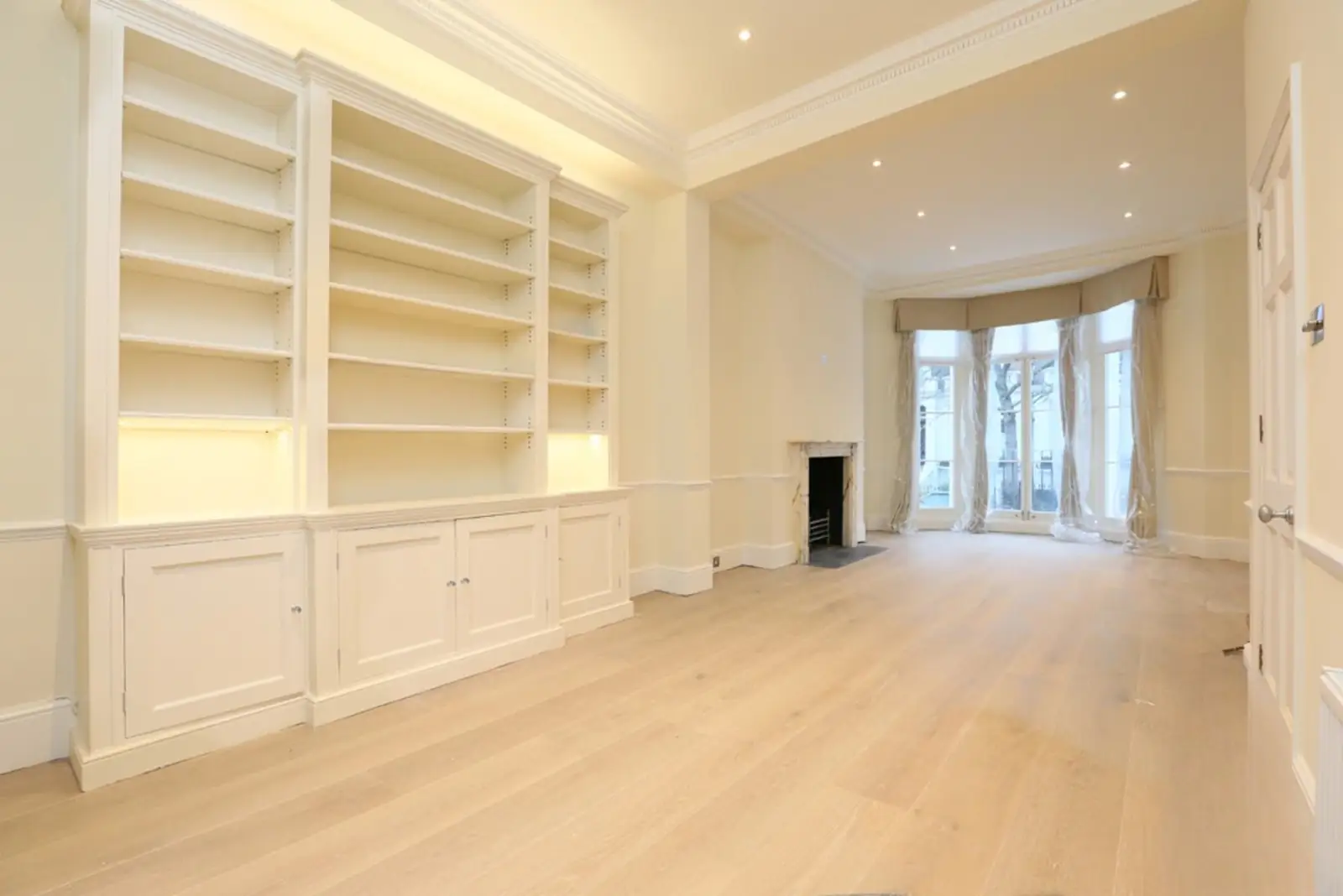
Painting & decorating
Our full painting and decorating service for homes and businesses, inside and out.
Learn more →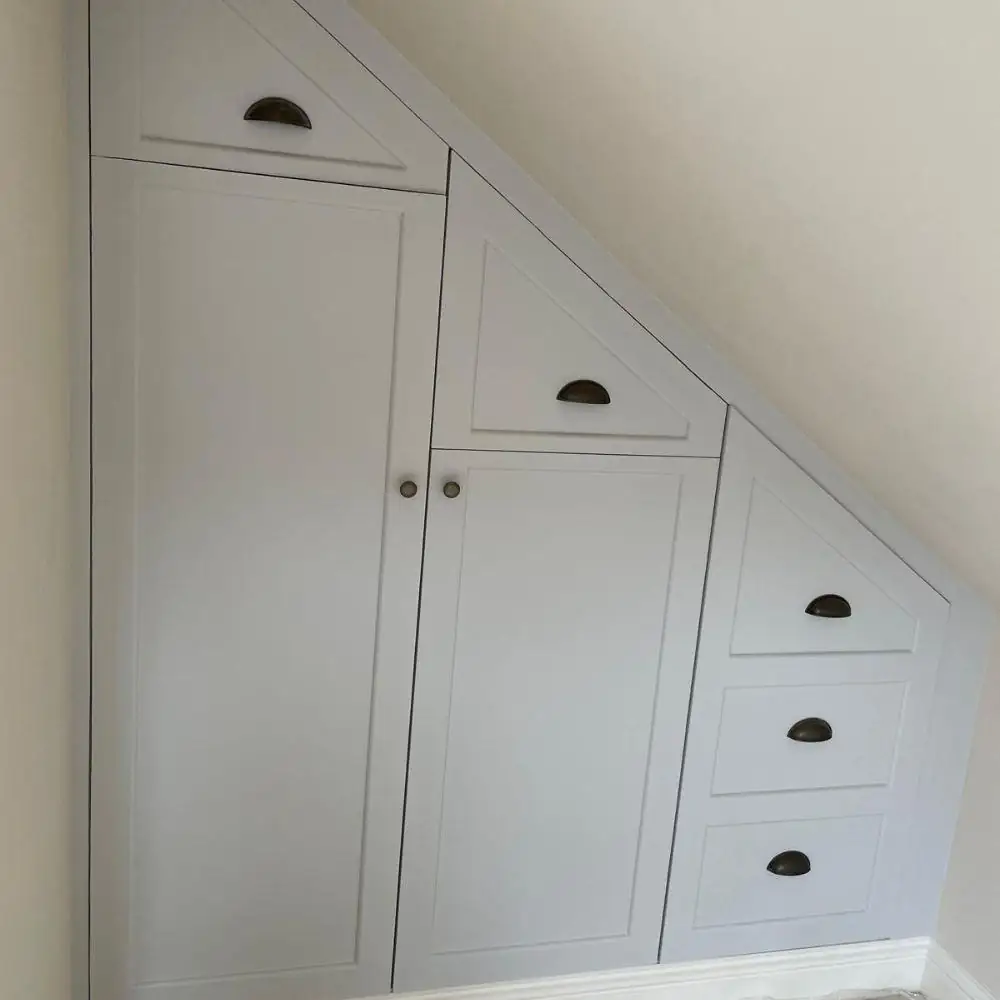
Paint spraying
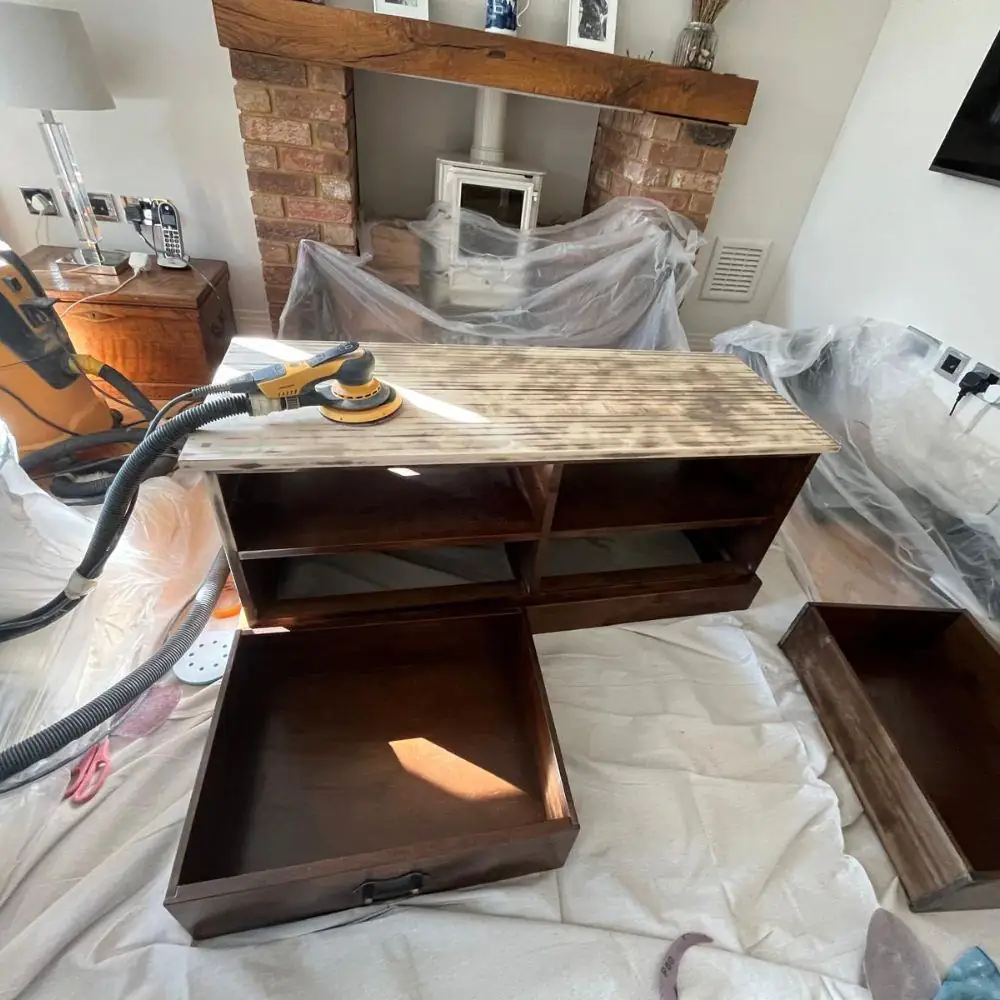
A factory-smooth finish for kitchen cabinets, doors, wardrobes, media walls and panelling.
Learn more →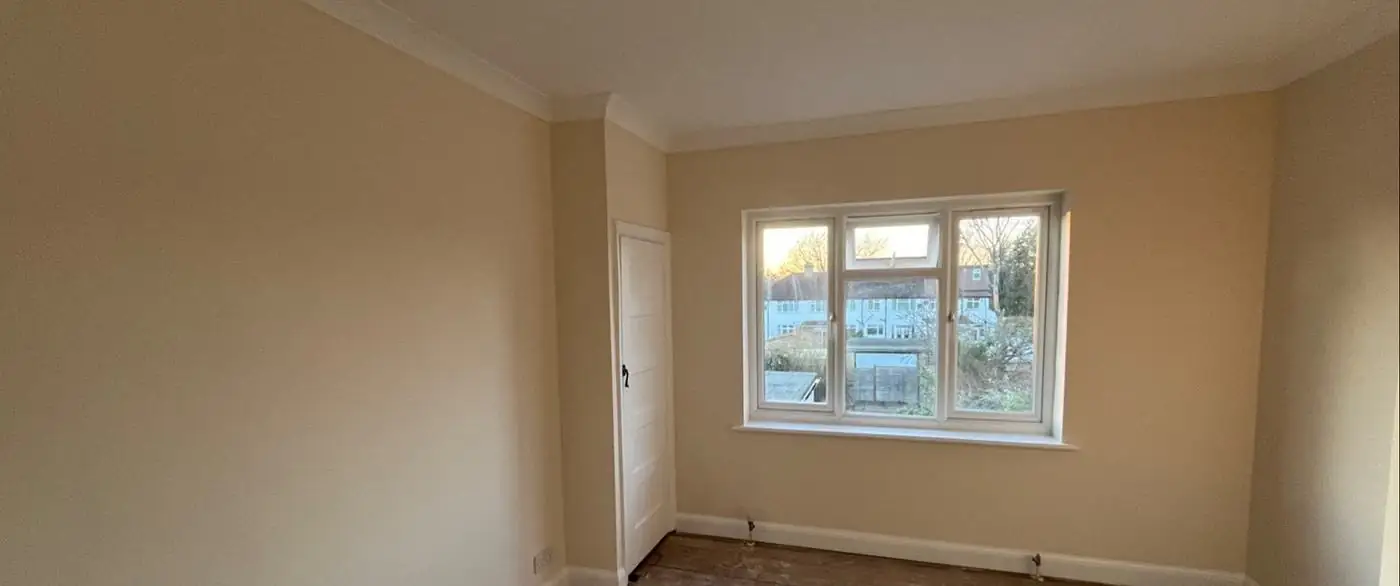
Plastering & drywall
Patch repairs, re-skims, stud walls and ceiling boarding, finished ready to decorate.
Learn more →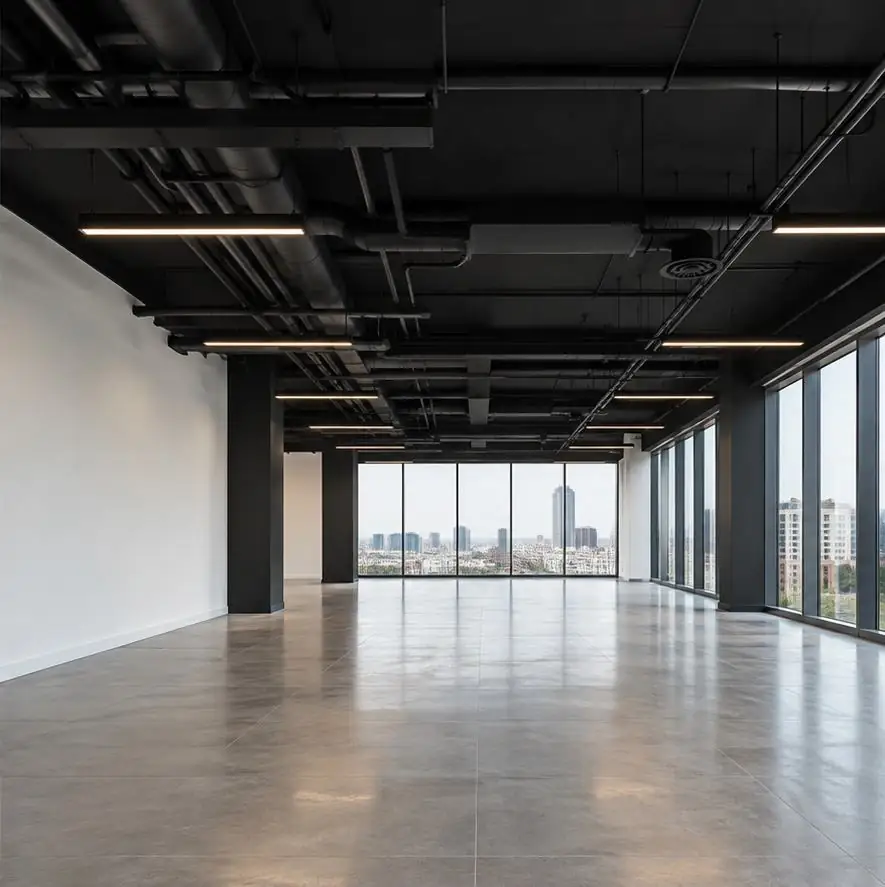
Commercial decorating
Shops, rental properties, communal areas and offices, planned around your business.
Learn more →Areas we cover
Based in Epsom, working across Surrey and south west London.
Request your free quote
Tell us about your project and we'll arrange a free, no-obligation visit and quote.