
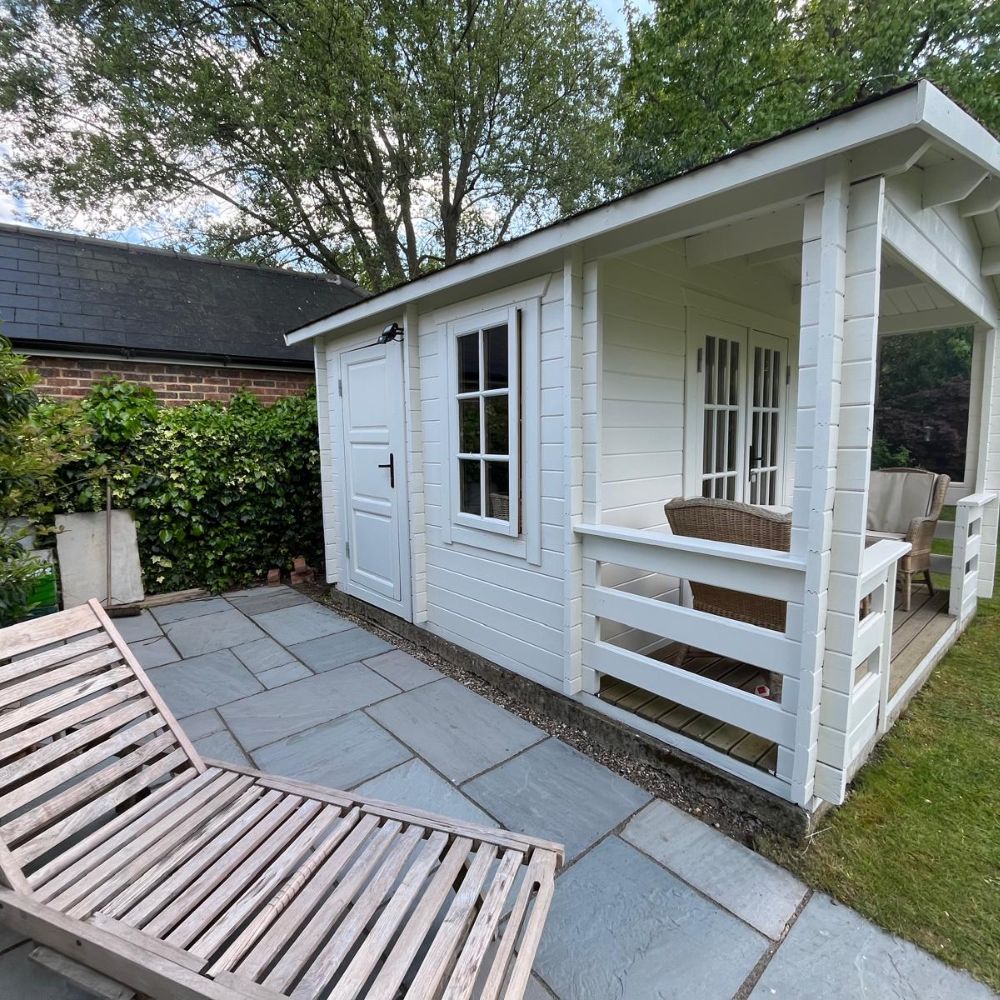
Garden Fence, Shed & Summer House Painting: A Seasonal Checklist
Garden structures take a real beating from the British weather. Fences, sheds, and summer houses are exposed to rain, frost, and sun all year round, and without regular maintenance they can start to look tired, warp, or even rot far sooner than they should. For homeowners across Epsom and Surrey, a bit of seasonal planning around garden painting can add years to the life of these structures and keep the whole garden looking its best. Here is a practical, season by season checklist to help you stay on top of it.
Why Garden Structures Need Regular Attention
Unlike interior walls, garden fences, sheds, and summer houses face constant exposure to moisture, UV light, and temperature swings. Untreated or poorly maintained wood can absorb water, which leads to swelling, cracking, and eventually rot. Metal fittings can rust, and older paint or stain coatings can fade, flake, or lose their protective properties over time.
Regular painting and staining is not just about appearance. It forms a protective barrier that keeps moisture out and helps timber structures cope with everything the Surrey climate throws at them, from wet winters to occasional heatwaves in summer.
Spring: Prepping and Repainting After Winter
Spring is one of the best times to assess winter damage and get ahead of the growing season. After months of rain and frost, check fences and sheds for the following before doing any painting work:
Peeling or flaking paint. This is a sign the previous coating has broken down and needs to be removed before repainting, otherwise new paint will not adhere properly.
Soft or spongy wood. This can indicate rot has set in, particularly around fence post bases or shed corners where water tends to collect.
Loose fixtures. Hinges, latches, and fence panel brackets can loosen over winter and are worth tightening or replacing before repainting.
Once repairs are done, spring is ideal for a full repaint or restain, since temperatures are mild and rainfall is usually lower than in winter, giving paint time to cure properly without being washed out.
Summer: Maintenance and Touch-Ups
Summer offers the most reliable weather window for painting, with longer dry spells and warmer temperatures that help paint and stain cure quickly. This is a good season for:
Summer house refreshes. Since summer houses are used more heavily in warmer months, this is a natural time to freshen up both the exterior and interior with a new coat, particularly if the structure doubles as a garden office or entertaining space.
Touching up high-wear areas. Gate latches, fence tops, and any south-facing surfaces that take the most sun exposure often fade fastest and benefit from a mid-year touch-up.
Furniture and features. Garden furniture, planters, and other painted wooden features can be refreshed alongside fences and sheds while the weather is reliable enough for a same-day dry.
Avoid painting during very hot, direct sun, as paint can dry too quickly and lead to an uneven finish. Early morning or late afternoon application usually gives the best results in peak summer.
Autumn: Protecting Before the Wet Season
Autumn is about preparation rather than a full repaint in most cases. As temperatures drop and rainfall increases, the priority is making sure structures are properly sealed and protected before winter sets in.
Check seals and joints on sheds and summer houses, particularly around roofs and window frames, since this is where water ingress most commonly starts.
Apply a protective topcoat if the existing paint or stain is looking thin, especially on fence panels facing the prevailing wind and rain direction.
Clear gutters and drainage around sheds and summer houses to stop water pooling against painted surfaces, which speeds up peeling and rot.
Early autumn, before the weather turns consistently wet, is usually the last practical painting window until spring.
Winter: Planning Ahead
Winter is not typically a season for exterior painting, since cold temperatures and damp conditions prevent paint from curing properly. Instead, use this time to:
Plan next year’s projects. If a fence, shed, or summer house needs more than a simple repaint, such as panel replacement or structural repair, winter is a good time to get quotes and schedule the work for early spring.
Inspect after storms. Winter storms can loosen fence panels or damage roofing felt on sheds and summer houses. Catching these issues early prevents bigger repairs later.
Choosing the Right Paint for Garden Structures
Not all paint is suitable for outdoor timber. Fences, sheds, and summer houses need products specifically designed for exterior wood, offering protection against UV fading, moisture, and mould growth. Water-based exterior wood paints and stains are popular for their durability and lower odour, while specialist fence treatments often include added protection against rot and insect damage.
Colour choice also matters beyond aesthetics. Darker stains tend to absorb more heat, which can help wood dry faster after rain but may also lead to more expansion and contraction over time. Lighter, natural tones often blend well with Surrey’s green, leafy gardens while reflecting more heat.
Getting Professional Help
While a small fence panel touch-up is a manageable DIY job, larger projects such as a full summer house repaint, or fences with rot and structural issues, often benefit from professional attention. A professional decorator will properly prepare the surface, use the right primer and topcoat for the material, and ensure an even, long-lasting finish, which matters even more outdoors where poor preparation shows up quickly.
FAQs
What is the best time of year to paint a garden fence?
Spring and early autumn tend to offer the best conditions, with mild temperatures and lower rainfall allowing paint to cure properly without washing out.
How often should a shed or summer house be repainted?
Most garden structures benefit from a fresh coat every 2 to 3 years, though south-facing or heavily exposed structures may need attention sooner.
Can I paint a fence in the rain or high humidity?
No. Painting in wet or highly humid conditions prevents proper curing and can lead to peeling or a patchy finish. Always check the weather forecast and allow enough dry time before and after painting.
What type of paint is best for garden fences and sheds?
Exterior-specific wood paints or stains formulated for UV protection, moisture resistance, and mould prevention are best. General interior paint is not suitable for outdoor timber.
Do I need to remove old paint before repainting a shed?
If the existing paint is peeling or flaking, yes. Sanding or scraping back to a sound surface helps the new coat adhere properly and last longer.
Is it worth hiring a professional for garden painting projects?
For small touch-ups, DIY is often fine. For larger jobs, structural repairs, or hard-to-reach areas, a professional decorator ensures proper preparation and a longer-lasting, even finish.